
The Fourth Quarter: Why the Most Exciting Chapter of Your Ranch Legacy Begins Near the End
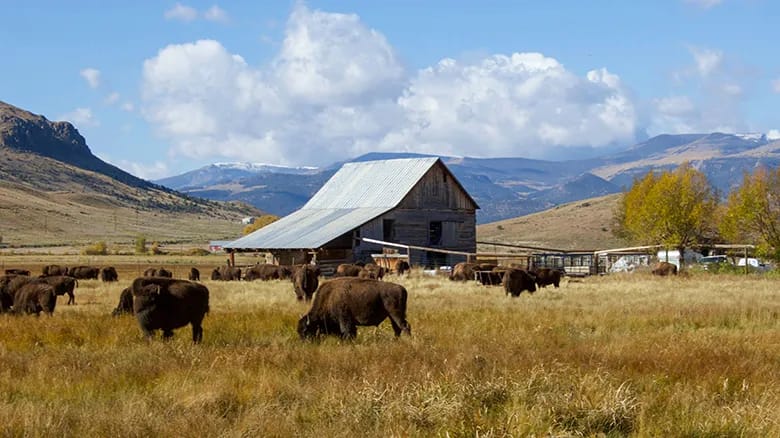
Photo by Leslie Cross on Unsplash
Rena Striegel | December 19, 2025
The time is now to start thinking about and taking actions toward succession planning. You’re not giving in, you’re preserving your legacy.
In sports, the fourth quarter carries a certain electricity. The clock is ticking down, nerves tighten and every decision suddenly matters a little more. But it’s also the stretch when seasoned veterans shine. Games are often won in those final minutes because experience, instinct and leadership take center stage.
I’ve come to appreciate that truth more than ever because I happen to be in a relationship with a devoted sports enthusiast. If there is a ball involved, chances are good we’ve watched it. ESPN commentary often fills the background of our weekends, and over time I’ve learned to see what he sees. Yes, raw talent is exciting. Speed and strength grab attention. But the moments that really matter – the ones that get replayed for years – almost always happen near the end, when the players with the most miles behind them step forward and change the outcome.
That’s when I realized something: Ranch succession planning has its own fourth quarter. And the fourth quarter may be the most exciting part of the game.
For many who have spent a lifetime ranching, there is a hidden fear that sits underneath transition planning: “Who am I if I’m not ranching?” Ranching isn’t just a career. It’s identity, heritage, bloodline and a sense of place. Generations have been shaped by the livestock, the land, the market cycles and the realities that come with building and maintaining a legacy operation. Letting go – or even loosening the reins – can feel like stepping off solid ground.
But the truth most transitioning ranchers aren’t told often enough is that the final stage of leading a ranch can be the most meaningful period they’ll ever experience. Not because the physical work continues, but because influence, perspective and wisdom become the primary tools. And those tools are the ones the next generation needs most.

Article by Rena Striegel, President of Transition Point Business Advisors
Transition Point Business Advisors as has a program entitled, The DIRTT Project, which gives the American Farmer full control of their succession plan from beginning to end. Go to our website to learn more about The DIRTT Project.